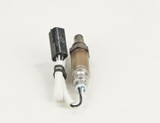
Bosch Oxygen Sensor P/N:13404
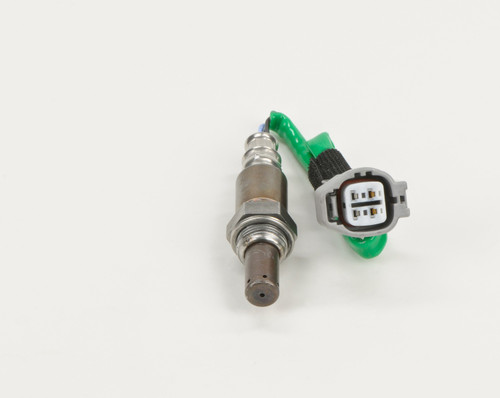
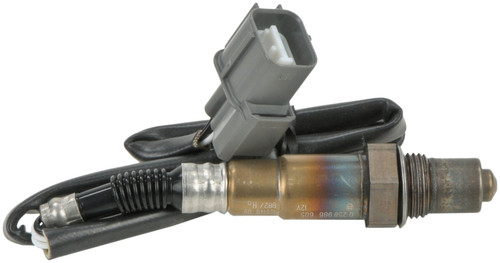
Keep the ECU's fuel trim dialed in with the Bosch Oxygen Sensor 13007, a narrow-band, heated switching-type O2 sensor that reports air-fuel-ratio feedback to the ECU for stable closed-loop combustion control. It's a specific-fit replacement across a wide range of Acura and Honda models, including the 1997-1999 Acura CL [V6-3.0L], 1992-1993 Acura Integra [L4-1.7L and L4-1.8L], 1991-1995 Acura Legend [V6-3.2L], 1991-1999 Acura NSX [V6-3.0L], 1996-2004 Acura RL [V6-3.5L], 1990-1993 and 1995-1999 Honda Accord, and 1992-2000 Honda Civic [L4-1.6L] — see the Buyer's Guide tab for the full list.
Cataloged for upstream and downstream (including downstream-front) positions depending on the application. Backed by a 1-year, unlimited-mileage warranty for non-commercial passenger cars and light trucks. Country of origin: United States. Manufacturer part number 13007 · Item GTIN 00028851130073.
What type of oxygen sensor is this?
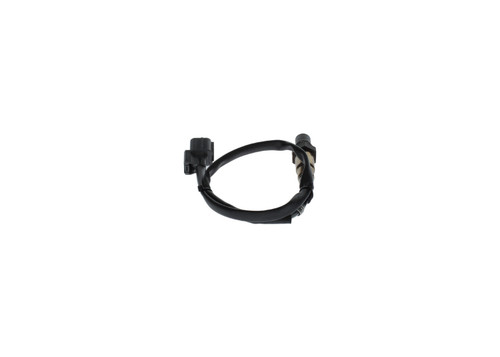
It's a narrow-band, heated switching-type O2 sensor with 4 wires that reports the exhaust air-fuel ratio to the ECU for closed-loop fuel control.
What are the thread and hex sizes?
It uses an M18-1.5 thread with a 22 mm hex and threads into the exhaust. A wiring harness is included; a mounting bracket is not included.
What position does this sensor install in?
It's cataloged for upstream and downstream positions (including downstream-front) depending on the application, so confirm the correct position for your specific vehicle.
Will it fit my vehicle?
It's a specific-fit sensor for many 1990-2004 Acura and Honda models. Check the Buyer's Guide tab and match your engine code (e.g., L4-1.6L, V6-3.2L) to confirm.
What are signs my oxygen sensor may need replacing?
An illuminated check engine light, reduced fuel economy, or rough running can be signs. Diagnose the cause first; if a failed O2 sensor is at fault, this replaces it.
WARNING: These products can expose you to chemicals including lead and phthalates, which are known to the State of California to cause cancer and birth defects or other reproductive harm. For more information go to www.P65Warnings.ca.gov.