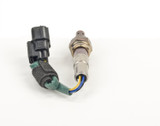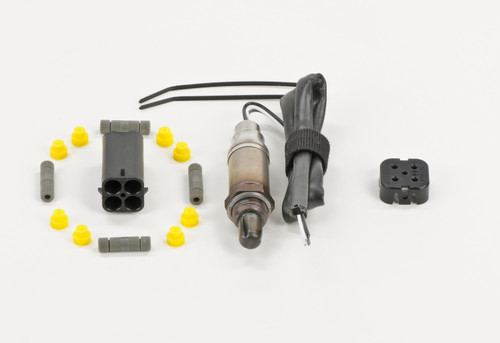
Bosch Oxygen Sensor P/N:15729
Bosch 13320 oxygen sensor for the 2000 Dodge Neon 4-cylinder 2.0L and other vehicles measures oxygen in the exhaust and feeds air-fuel-ratio data to the ECU. This Bosch O2 sensor is the upstream unit and helps the ECU keep combustion stable and emissions down.
A worn sensor can show up as a check engine light, poorer fuel economy or a rough idle. An exhaust leak, a vacuum leak or a spark plug or ignition fault can also be behind those symptoms, so find the cause before buying a new sensor.
This is an oxygen sensor for the 2000 Dodge Neon 4-cylinder 2.0L and the 2000 Plymouth Neon 4-cylinder 2.0L, and a direct-fit replacement for each. The listing is one upstream sensor, and both cars take a single one.
Fit and size
Build and materials
One oxygen sensor with its wiring harness. A mounting bracket is not included.
Will this oxygen sensor work on a 2000 Dodge Neon 4-cylinder 2.0L?
Yes. Bosch 13320 is an upstream oxygen sensor for the 2000 Dodge Neon 4-cylinder 2.0L, and it also fits the 2000 Plymouth Neon 4-cylinder 2.0L.
Is this Bosch premium oxygen sensor heated?
Yes. It is a narrow-band heated sensor with an integrated heater element, an M18 - 1.5 thread and a 22 mm hex.
Does the Bosch 13320 come with its wiring harness and a mounting bracket?
The wiring harness is included. A mounting bracket is not included.
How can a shop tell whether this upstream oxygen sensor has failed?
A shop can read the stored trouble codes and test the sensor's signal. A driver may notice a check engine light, a rough idle or poorer fuel economy.
Does the Bosch 13320 come with anti-seize already on the threads?
Yes. Conductive anti-seize is pre-applied to the threads of the Bosch 13320, and its connector is direct-fit.
Published by the manufacturer of this part. Links open in a new tab.
No reviews yet — be the first to review this product.
Write a Review
WARNING: These products can expose you to chemicals including lead and phthalates, which are known to the State of California to cause cancer and birth defects or other reproductive harm. For more information go to www.P65Warnings.ca.gov.