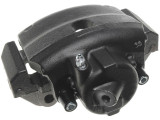
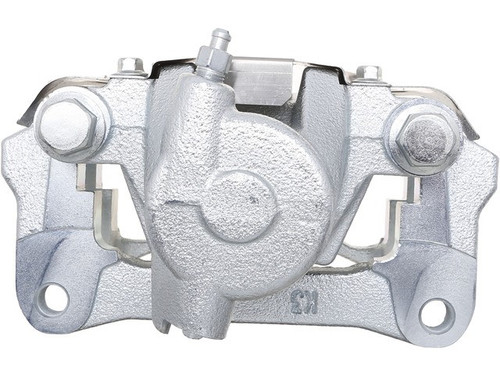
Raybestos Brakes Disc Brake Caliper P/N:FRC12912C
Turn hydraulic pressure into stopping power with the Raybestos Brakes Disc Brake Caliper (FRC10791N). A disc brake caliper straddles the rotor and houses the piston(s) that push the brake pads against the disc, converting the fluid pressure from your master cylinder into the clamping force that slows the wheel. When a caliper wears out, it can leak brake fluid, stick or drag, or clamp unevenly — so a sound replacement is central to consistent, controlled braking.
Signs a caliper may need replacing include brake fluid seeping at the caliper, a wheel that pulls to one side, uneven or rapid pad wear, or a brake that drags after the pedal is released. Because these symptoms can have other causes, diagnose the source before replacing. Calipers work as a pair — inspect and, if needed, service both sides on the same axle for balanced braking.
What does this brake caliper do?
It houses the piston(s) that push the brake pads against the rotor, converting hydraulic pressure from the master cylinder into the clamping force that slows the wheel.
What are the signs my caliper may need replacing?
Common signs include brake fluid leaking at the caliper, the vehicle pulling to one side, uneven or rapid pad wear, or a brake that drags after you release the pedal.
Will this caliper fit my vehicle?
Please check the Buyer's Guide tab and match the manufacturer part number FRC10791N to confirm this caliper is correct for your specific vehicle before ordering.
Do I need to replace calipers in pairs?
It is not strictly required, but inspecting and, if needed, servicing both calipers on the same axle helps keep braking balanced and even from side to side.
Should I replace pads when installing this caliper?
Inspect the brake pads and rotor whenever you service a caliper; worn or uneven pads are often replaced at the same time. Follow the vehicle service procedure.
WARNING: These products can expose you to chemicals including lead and phthalates, which are known to the State of California to cause cancer and birth defects or other reproductive harm. For more information go to www.P65Warnings.ca.gov.