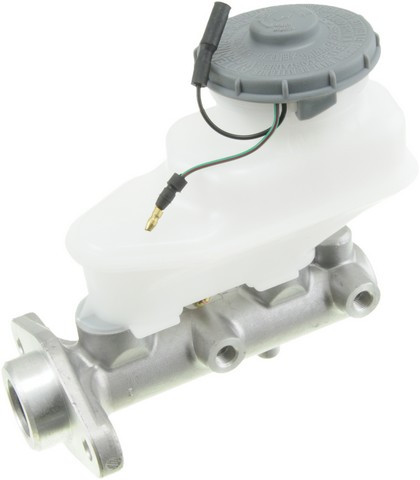
Turn every press of the pedal into hydraulic braking pressure with the Dorman First Stop Brake Master Cylinder M390417, a new brake master cylinder for the 1998-2002 Honda Accord with all engines, installed as a direct-fit replacement. Dorman precision-engineers it to replicate the original master cylinder's design, function and performance on the listed applications, using new, high-quality materials for a safe, durable replacement.
- Precise replacement: The aluminum cylinder housing is constructed to match the material of the original part and is intended to deliver similar performance.
- Durable design: All rubber components use a high-quality EPDM compound that resists glycol-based brake fluid.
- 100% new: Made entirely from new materials for quality and safety.
- Strict specifications: Built to meet rigorous SAE International standards.
Specifications: 2 outlets; 0.938 in bore diameter; rearward outlet size and secondary outlet thread both M10 x 1.0; primary outlet thread pitch 1 mm. The reservoir and a sensor are included with the master cylinder. Mounting hardware is not included, so consult the vehicle service information for the correct fasteners and whether they may be reused. Country of origin: Taiwan.
The listed application uses one master cylinder per vehicle; see the Buyer's Guide tab for full fitment details.
Interchange: 83-08038 · 100-1341 · M-54038 · 072-9581 · 13-2870 · 11-2870 · 130.40038 · 131.40038 · 355-59022
8308038 · 1001341 · M54038 · 0729581 · 132870 · 112870 · 13040038 · 13140038 · 35559022 · 18M839 · M901081 · 13530 · MC250670 · 46100S4KA01 · 46100S4KA02 · 46100S84A02 · 46100SK4A01 · M55137 · NM55137 · MC390417 · F134450 · MC134450
This part cross-references / interchanges with the following part numbers:
18M839, 83-08038, M901081, 100-1341, M-54038, 072-9581, 13530, 13-2870, 11-2870, 130.40038, 131.40038, MC250670, 355-59022, 46100S4KA01, 46100S4KA02, 46100S84A02, 46100SK4A01, M55137, NM55137, MC390417, F134450, MC134450