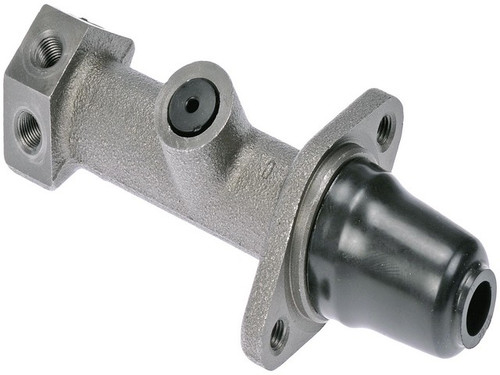
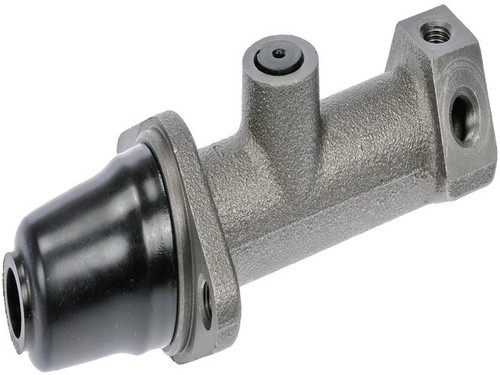
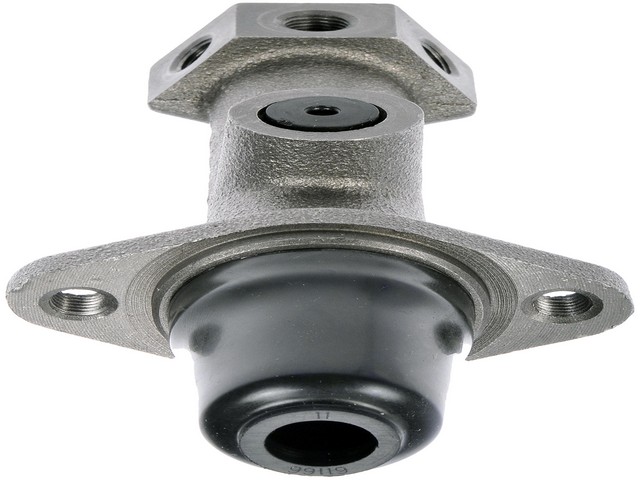
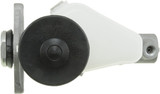
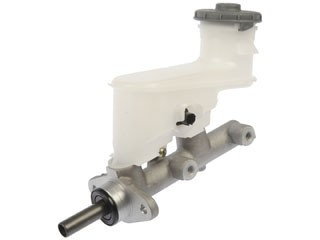
Turn every push of the pedal into brake-line pressure with the Dorman First Stop Brake Master Cylinder M93065, a new master cylinder that installs as a direct-fit replacement for the 1954-1964 Volkswagen Beetle and the 1961-1964 Volkswagen Karmann Ghia. It is precision-engineered to replicate the design, function and performance of the original master cylinder and is built from new, high-quality materials for a safe, durable replacement.
- Precise replacement: The cast iron cylinder housing is constructed to match the casting material of the original part and is designed to deliver similar performance.
- Durable design: All rubber components use a high-quality EPDM compound that resists glycol-based brake fluid.
- 100% new: Made entirely of new materials for high quality and safety.
- Strict specifications: Made to meet rigorous SAE International standards.
Specifications: 0.75-inch bore, three outlets and an M10 x 1.0 rearward outlet. The package contains the master cylinder only. The reservoir, sensor and mounting hardware are not included. Country of origin: China.
A soft or sinking pedal, or fluid seeping around the unit, may be a sign that the master cylinder needs replacing. Diagnose the brake system first, and bleed the brakes after installation according to the vehicle service procedure.
Interchange: 783-94100 · 83-94100 · 100-1118 · M-20100 · 072-8024 · 11-35125 · 130.33500 · 131.33500 · 355-74057
78394100 · 8394100 · 1001118 · M20100 · 0728024 · 1135125 · 13033500 · 13133500 · 35574057 · M900056 · 11565 · MC512260 · 5472929 · 93065 · MC35125 · 113611021 · 113611021C · F142570 · MC142570
This part cross-references / interchanges with the following part numbers:
783-94100, 83-94100, M900056, 100-1118, M-20100, 072-8024, 11565, 11-35125, 130.33500, 131.33500, MC512260, 355-74057, 5472929, 93065, MC35125, 113611021, 113611021C, F142570, MC142570