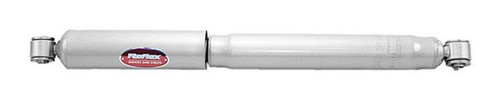
Designed to help restore a composed, controlled ride, the Monroe OESpectrum 5797 rear suspension shock absorber is built to bring back a vehicle's original factory drivability while filtering out noise, vibration and harshness. It fits many vehicles, among them the 2006-2023 Dodge Charger, 2005-2023 Chrysler 300 and 2012-2023 Dodge Challenger, as a direct-fit replacement for the listed applications. See the Buyer's Guide tab for the full list and engine details.
- Reduced noise, vibration and harshness: Monroe's Twin Technology™ Active Control System is designed to deliver control under most driving conditions while isolating impact-related noise, vibration and harshness.
- Handling: Full displaced valving, tuned specifically to each vehicle, adjusts to road extremes. The larger bore provides more efficient damping control for a consistent, smooth ride.
- Control and durability: A PTFE-banded piston provides consistent sealing between the piston and pressure tube for better control and increased durability.
- Consistent ride: OE all-weather fluid contains special additives to assist with extreme temperatures and help reduce oil breakdown.
A nitrogen gas charge helps maintain tire-to-road contact by reducing aeration and shock fade. A self-lubricating fluid seal retains the gas and reduces excessive friction against the piston rod to help reduce premature wear.
If you are replacing a worn rear shock absorber on a 2006-2023 Dodge Charger, watch for these signs that a shock may need replacing: excessive bouncing after bumps, rear squat under acceleration, fluid leaking from the body, and uneven tire wear. Diagnose the cause first, because tires, springs and other suspension parts can produce similar symptoms.
The 5797 is backed by Monroe's Limited Lifetime Warranty and its exclusive Feel the Difference™ Guarantee.