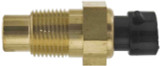
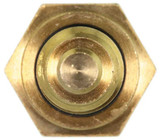
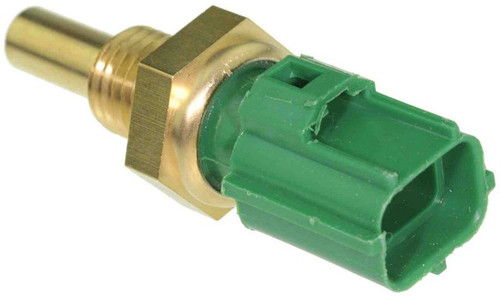
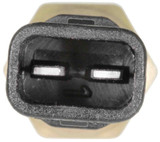
Send your vehicle's control system the temperature signal it relies on with the SKP Air Charge Temperature Sensor / Engine Coolant Temperature Sensor, part number SKTX3. It is a direct-fit replacement for many vehicles, among them:
- 1988-1999 Chevrolet C1500 and 1988-1999 Chevrolet K1500 (V8-5.7L)
- 1999-2007 and 2010-2014 Chevrolet Silverado 1500 (V6-4.3L)
SKP catalogs this one sensor under three names: air charge temperature sensor, engine coolant temperature sensor, and ambient air temperature sensor. The job it does depends on where your vehicle uses it.
- Multi-role sensor: listed as an air charge temperature sensor, an engine coolant temperature sensor and an ambient air temperature sensor.
- Quantity per application: the listed applications use 1. It is sold individually.
- Broad coverage: fits many vehicles across a wide range of engines.
- Country of origin: China.
Signs this sensor may need replacing include erratic or incorrect temperature readings, a check engine light, hard starting and rough running. These symptoms can have other causes, so diagnose the fault before you replace the sensor.
It also fits many other Chevrolet, GMC, Buick, Cadillac and Oldsmobile models, plus vehicles from other makes. See the Buyer's Guide tab for the full list with years and engine codes.