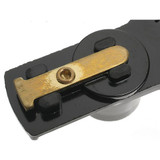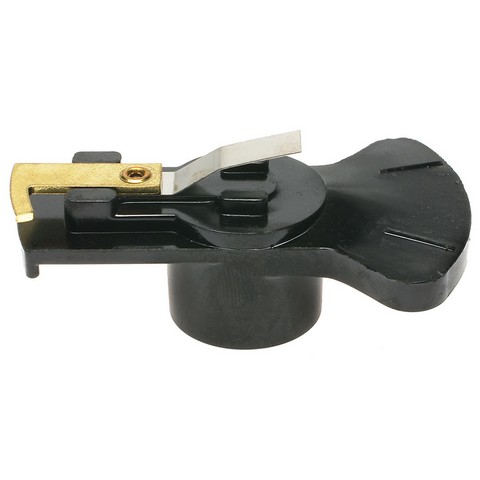
Standard Ignition Distributor Rotor P/N:AL-152
Keep high-voltage spark reaching the right plug at the right moment with the Standard Ignition Distributor Rotor AL-166. It is a direct-fit replacement for many Jeep vehicles, among them the 1970-1971 Jeep CJ5, 1969-1971 Jeep CJ6 and 1969-1971 Jeep Commando; see the "Vehicles it fits" section for the full list and engine details.
The rotor turns with the distributor shaft inside the cap and passes ignition-coil voltage to each cap terminal in firing order. If a worn, cracked or carbon-tracked rotor is the cause of a misfire, hard starting or rough running, this replaces it.
Interchange: J948879 · D180 · 948879 · AL921 · AL141 · 485
This part cross-references / interchanges with the following part numbers:
What does a distributor rotor do?
It spins with the distributor shaft under the cap and passes high voltage from the ignition coil to each cap terminal, sending spark to the plugs in firing order.
Which vehicles does the Standard Ignition AL-166 fit?
It fits many Jeep vehicles, among them the 1970-1971 Jeep CJ5, 1969-1971 Jeep CJ6 and 1969-1971 Jeep Commando. See the "Vehicles it fits" section for the full list and engine details.
What are signs a distributor rotor may need replacing?
Possible signs include misfires, hard starting, rough running, or a rotor tip that is burned, cracked or carbon-tracked. Diagnose the ignition system first, since other parts can cause these symptoms.
What are the AL-166 rotor segments made of?
The AL-166 uses solid brass segments, which Standard Ignition specifies for better conductivity and higher-voltage spark to the plugs.
How does this rotor help with carbon tracking?
It is made with a high-grade dielectric strength alkyd that resists dirt sticking, which helps decrease carbon tracking.
No reviews yet — be the first to review this product.
Write a Review
WARNING: These products can expose you to chemicals including lead and phthalates, which are known to the State of California to cause cancer and birth defects or other reproductive harm. For more information go to www.P65Warnings.ca.gov.