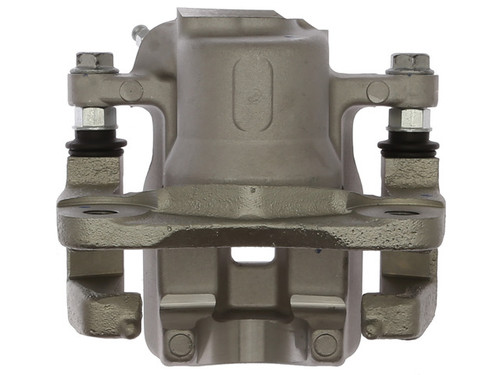
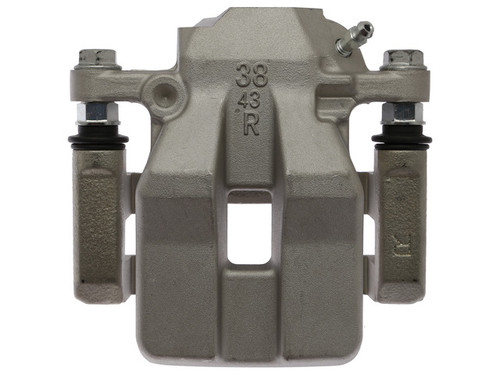
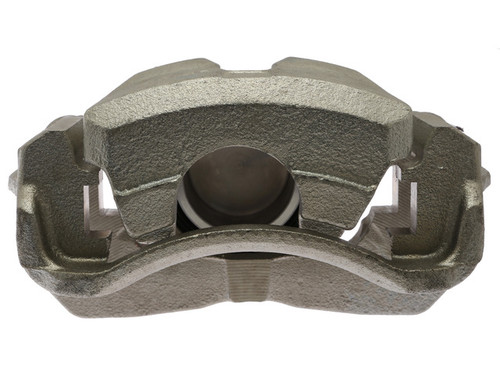
Raybestos Brakes Disc Brake Caliper P/N:FRC12013N

Be the first to review this product
$106.99
MPN: FRC12013N
UPC: 887213210781
Item Package Quantity: 1
Adding to cart… The item has been added

Have questions?

Raybestos Brakes Disc Brake Caliper P/N:FRC12013N
$106.99

Bring firm, even clamping force back to your disc brakes with the Raybestos Brakes Disc Brake Caliper FRC12013N. The caliper is the hydraulic clamp at the heart of a disc brake: when you press the pedal, brake fluid pushes the caliper's piston(s) outward to squeeze the brake pads against the rotor, and that friction helps slow and stop the wheel.

  • Hydraulic clamping: houses the piston(s) that press the brake pads against the rotor under pedal-applied hydraulic pressure.
  • Replacement unit: intended to replace a worn, seized, or leaking caliper.
  • Signs it may need replacing: brake-fluid seepage at the caliper, a sticking piston that drags the pads, uneven pad wear, or a pull to one side when braking.

If a seized or leaking caliper is the cause of your braking trouble, this unit replaces it. Because installing a caliper opens the brake hydraulic system, bleed the brakes afterward and follow the vehicle service information for the correct fasteners and torque. For even, balanced braking, many technicians replace the caliper on both sides of the same axle as a matched pair.

Fitment: vehicle applications for this caliper aren't listed in our catalog yet — check the Buyer's Guide tab and confirm the part fits your vehicle before ordering.

Manufacturer part number FRC12013N.

Frequently Asked Questions

What does a disc brake caliper do?

It's the hydraulic clamp of the brake system: pedal pressure pushes the caliper's piston(s) to squeeze the brake pads against the rotor, and that friction helps slow and stop the wheel.

How do I know if my caliper needs replacing?

Common signs include brake-fluid leaks at the caliper, a sticking piston that keeps the pads dragging, uneven pad wear, or a pull to one side when braking. Diagnose the cause before replacing.

Do I need to bleed the brakes after installing this caliper?

Yes. Replacing a caliper opens the brake hydraulic system, so you'll need to bleed the brakes afterward to remove air, following the vehicle's service procedure.

Should I replace both calipers at the same time?

It isn't required, but many technicians replace the caliper on both sides of the same axle as a matched pair to keep braking even and balanced.

What vehicles does this caliper fit?

No vehicle applications are currently listed for this caliper in our catalog. Check the Buyer's Guide tab and confirm the part fits your vehicle before ordering.